Access to diverse patient biospecimens linked to clinical data is essential for biomedical innovation. Yet researchers often face fragmented collections, inconsistent protocols, and limited access across institutions, making it difficult to generate discoveries that reflect the full diversity of patients. To address these challenges, the MLSC launched the nation’s first statewide, disease-specific biobank network, bringing together healthcare and research institutions across Massachusetts to build standardized collections that reflect the Commonwealth’s diverse patient population.
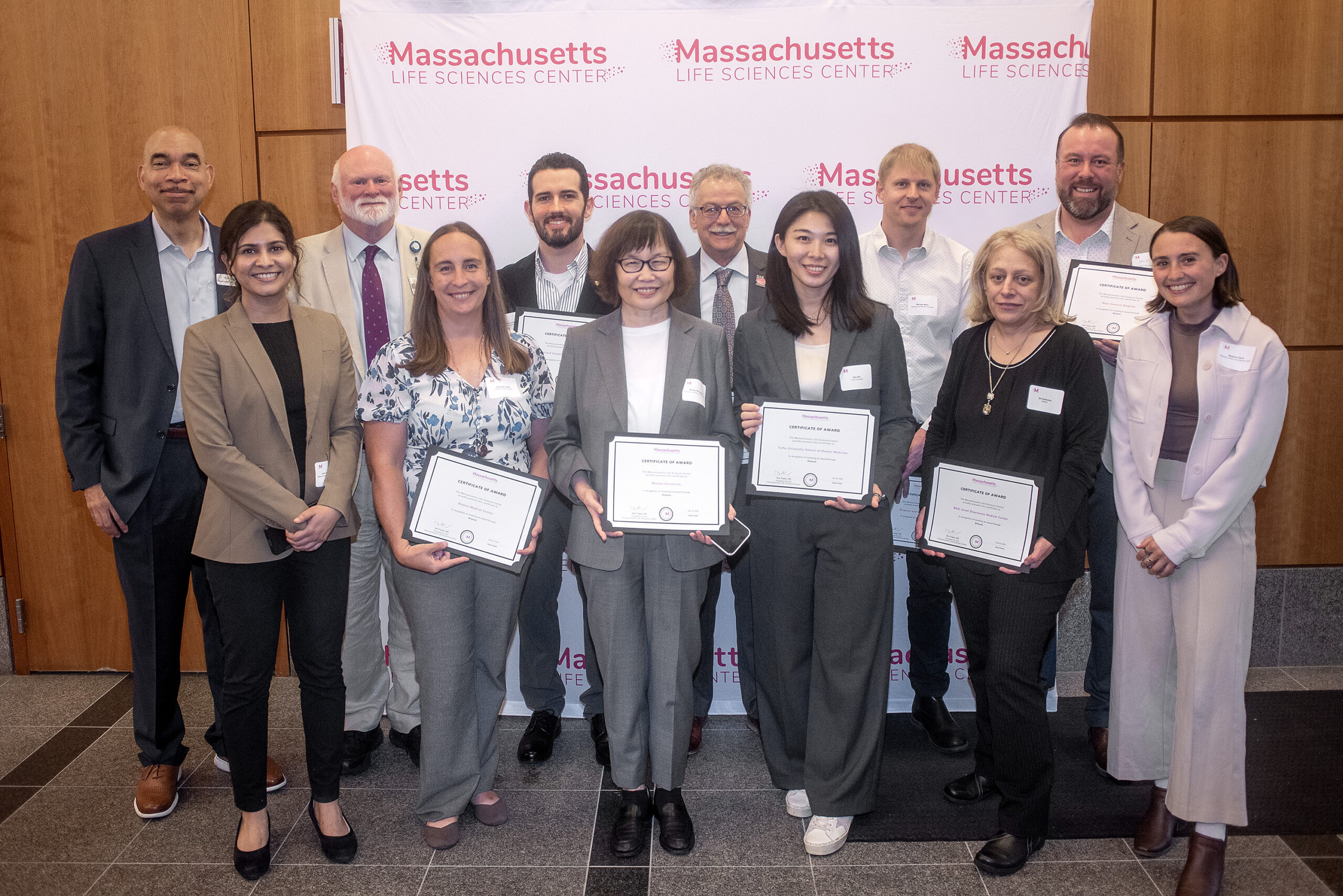
Through its inaugural funding round, the MLSC invested $2 million to establish a coordinated network of healthcare institutions across Massachusetts. Announced at Boston Medical Center (BMC) by Economic Development Secretary Eric Paley, Undersecretary of Business Strategy Zenobia Moochhala, and MLSC leadership, these awards support organizations that are building standardized collections supported by shared protocols, centralized infrastructure, and common governance, creating a resource accessible to academic researchers, startups, biotechnology companies, and pharmaceutical partners. The inaugural awardees included Baystate Medical Center, Beth Israel Deaconess Medical Center, Boston Medical Center Health System, Boston University Chobanian & Avedisian School of Medicine, Brigham and Women’s Hospital, Dana-Farber Cancer Institute, Harvard School of Dental Medicine, Lahey Hospital & Medical Center, Massachusetts General Hospital, Tufts University School of Dental Medicine, and UMass Chan Medical School.
The MLSC’s Biobank program creates a shared resource that no single institution could build alone. Informed by an ecosystem-wide survey and more than 350 stakeholder interviews, it initially focuses on Alzheimer’s disease and colorectal cancer, with future disease areas selected based on evolving ecosystem needs.
More than a collection of biospecimens, the statewide biobank provides researchers with standardized access to diverse patient samples linked to clinical and molecular data. Because samples and clinical data will be collected over time, the resource will become increasingly valuable, allowing researchers to study disease progression, treatment response, and long-term outcomes. This will accelerate biomarker discovery, improve understanding of disease biology, and support the development of new diagnostics and therapies.
At the heart of the program is a commitment to building a resource that reflects the diversity of the Commonwealth. By engaging healthcare systems serving patients from different geographic regions, racial and ethnic backgrounds, socioeconomic circumstances, and care settings, the biobank will create one of the nation’s most representative collections of Alzheimer’s disease and colorectal cancer biospecimens. This diversity is essential not only to advancing health equity, but also to strengthening scientific discovery by helping researchers identify biomarkers and therapeutic targets that are more likely to translate across diverse patient populations while improving the design of future clinical trials.
Boston Medical Center and Baystate Medical Center exemplify the strengths of the statewide network. BMC serves one of New England’s most diverse patient populations and brings nationally recognized expertise in health equity. Baystate extends the program’s reach into Western Massachusetts, ensuring patients from communities across the Commonwealth are represented. Together with the program’s other clinical partners, they are building a resource that captures the geographic, demographic, and clinical diversity needed to support more inclusive, scientifically rigorous research.
Alongside participating healthcare institutions, industry partners will support the program’s core infrastructure. Advarra, DNAnexus, Datavant, and Azenta will provide expertise in ethics and regulatory oversight, secure data systems, privacy-preserving data linkage, and biospecimen management. Additional partners will generate molecular and multi-omic data, further increasing the scientific value of the resource.
By creating a statewide, disease-specific biobank network, the MLSC is laying the foundation for a new model of collaborative biomedical research. As longitudinal samples and clinical data accumulate, the resource will become increasingly valuable, accelerating biomarker discovery, therapeutic development, and future clinical trials. In doing so, the initiative reinforces Massachusetts’ leadership in life sciences while ensuring biomedical innovation reflects the patients it is intended to serve.